
CCTV Camera Types Explained
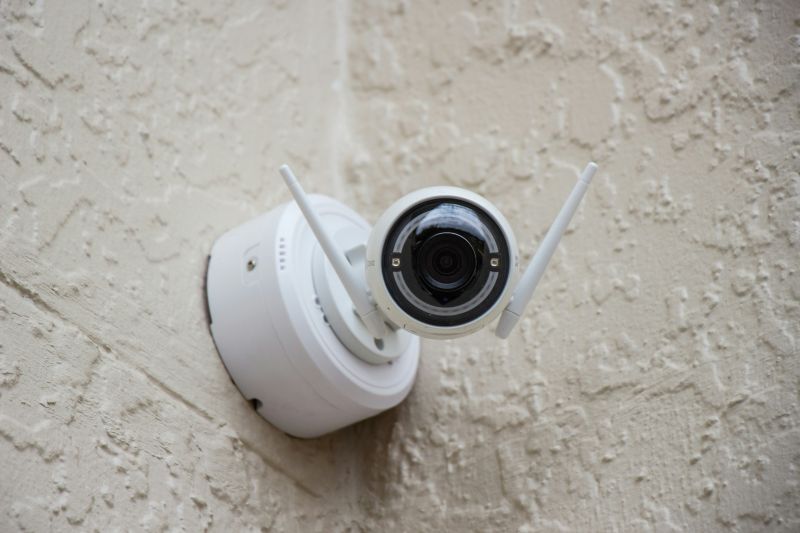
Choosing the right CCTV camera can feel overwhelming, especially as there are so many CCTV system types to choose from. If the words dome, PTZ, bullet and IP mean nothing to you, don’t worry! By the end of this blog, you should have full understanding of a range of CCTV camera types so that you can make an educated decision on which type is best for your specific security needs.
Let’s get started!
Different CCTV Camera Shapes
Dome Cameras
Named for their dome-shaped housing, dome cameras are ideal for indoor use in retail spaces and offices as they are discreet, tamper-resistant and It can be particularly difficult to tell which direction they’re pointing, which helps to add a layer of deterrence. Dome cameras also provide a wide viewing angle which is great for use in large spaces and reduces the number of CCTV systems you need to install.
Bullet Cameras
Bullet cameras have a more long and cylindrical shape and are highly visible, which can act as a strong deterrent for criminals. These CCTV systems are best for outdoor areas like driveways, car parks or property perimeters as they have long viewing distances, weatherproof housing and are easy to mount on walls.
Different CCTV Camera Functionalities
PTZ
PTZ cameras or pan, tilt, zoom cameras are ideal for active monitoring in large areas like stadiums, shopping centres and industrial sites. Like the name suggests, these cameras can move horizontally (pan), vertically (tilt) and zoom in and out, usually controlled remotely by security staff. These cameras are great for large areas as they allow for active tracking and surveillance and mean that fewer cameras are needed for wide zones.
Day/Night
Day/night cameras are designed to operate in varying lighting conditions, using sensitive sensors and infrared (IR) to provide clear images in both daylight and total darkness. Sometimes these cameras can also use thermal imaging to detect intruders and heat through poor visual conditions like smoke or fog.
Different CCTV Camera Technology
IP CCTV Cameras
IP cameras stream footage over an internet or local network rather than a traditional coaxial cable. This allows them to provide high resolution footage (often 4K), advanced analytics, remote access to footage via smartphones and various smart features like motion detection and alerts. These CCTV systems are popular in homes, offices and multi-site businesses due to their remote access features.
Wireless CCTV Cameras
Wireless CCTV systems usually use Wi-Fi for connectivity, with some being battery-powered for completely wire-free installation. These cameras can usually be monitored in an app and placed in a wide variety of locations with ease. This convenient installation makes wireless CCTV cameras ideal for renters and small offices.
Analog CCTV Cameras
Analog CCTV cameras connect to digital video recorders using coaxial cables. Although traditionally low resolution, modern “HD analog” systems can record with up to 4k resolution. They are a cost-effective and easy-to-install solution for basic, localised security needs and are commonly used in small businesses or residential properties where budget is a priority and high-definition facial recognition and long distance recording is not required.
There you have it! Those are the most common security camera types out there, and as you can see, they are each tailored to different security needs, so it’s definitely not a one-size-fits-all system when it comes to CCTV.
Don’t worry if you’re not sure which is best for your premises - at IDS, we can carry out a survey of your premises and design and install a bespoke CCTV security system that is tailored to your exact requirements.
Use the button below to book your free security survey!